Tag: iron on patches

  • How to Iron-On Patches On Polyester: Tips for a Flawless Finish

    How to Iron-On Patches On Polyester: Tips for a Flawless Finish

    Nothing is quite as satisfying as peeling back a perfectly placed iron-on patch to reveal your design crisp and proud. Let’s face it: polyester can be a diva under heat, too much and you’re left with a melty mess, too little and your patch refuses to bond. 

    If you’ve ever stared at an iron like it’s some kind of unpredictable gadget from outer space, you’re not alone. Mastering iron-on patches on polyester requires a bit of finesse, some practical wisdom, and a few clever tricks up your sleeve.

    Here at Patch Makers UK, we live and breathe patches. Whether you’re applying custom logo patches for hats or customizing jerseys for a sports team, we want you to do it like a pro. Keep reading for insider techniques that help you put the “flawless” in your iron-ons, without the stress.

    Understanding Polyester: The Tricky Textile

    Before you jump in, let’s talk polyester. Known for its durability and easy care, this synthetic fabric also happens to be super sensitive to heat. Iron too hot and you’ll damage the fibers; too cold and the adhesive on your iron-on patches just won’t bond properly. That’s why knowing how to apply iron on patches on polyester is an absolute must. Unlike denim or cotton, polyester requires patience and finesse.

    That’s why so many of our customers love the support of a trusted patch maker like us at Patch Makers UK, we specialize in manufacturing high quality embroidered patches made in the UK that stand up to the heat (and the elements). 

    Plus, we offer a whole range of styles from Custom Embroidered Patches to Custom Chenille Patches, so you can choose what suits your aesthetic. Whether you need personalized clothing patches or want to design your own patch and order one-offs for a custom look, you’ll find the best place to order custom patches with us.

    What You’ll Need for Success

    Before we dive into the process, gather up these simple tools:

    • A household iron with a temperature dial

    • A smooth, heat-resistant surface (hard surface like a wooden table covered with a towel)

    • Thin pressing cloth or pillowcase

    • A stopwatch or timer (optional, but so handy)

    • Iron-on patches for polyester, this is key. Our range of custom iron on patches at Patch Makers UK is created especially for synthetic fabrics so you never need to worry about adhesion.

    And while you’re preparing your setup, also take a second to check out our service pages for some inspiration. Whether you’re looking for Custom PVC Patches that offer vibrant, durable designs or classic Custom Woven Patches that deliver fine detail on sports kits and work uniforms, we have you covered.

    Step-by-Step: Applying Iron-On Patches to Polyester

    Once you have everything assembled, it’s time to do the magic. Remember: slow and steady wins this game.

    1. Preheat With Caution

    Set your iron to a medium-low setting, polyester can easily scorch above 300°F (roughly 150°C). Some iron-on patches require a bit more heat, but always err on the side of caution to protect your fabric.

    2. Position & Prep

    Lay your garment flat and smooth out any wrinkles. Place your iron-on patches exactly where you want them. Cover the patch with a pressing cloth, this shields your polyester as you work. If you need help choosing the perfect style, check out our article, How to Iron on Patches on Clothes: Step-by-Step Guide for more pro-level tips.

    3. Apply Even Pressure

    Press the iron down firmly but gently for around 10–15 seconds. Avoid moving the iron around too much, keep it stationary so the heat can penetrate the patch evenly. Repeat as necessary until all edges have adhered.

    4. Let It Cool

    Allow the garment to sit flat and cool completely before inspecting your patch. Avoid touching the adhesive or flexing the fabric too soon.

    A floral patch being ironed onto a pristine white polyester fabric.

    Avoiding Common Mistakes

    Nothing spoils a perfect iron-on patch like bubbling, lifting edges, or burnt fabric. Keep an eye on these common pitfalls:

    • Temperature Too High: Polyester is delicate. Test a small corner or use a sacrificial scrap of fabric if you’re unsure of your iron’s heat.

    • Insufficient Pressure: A light touch won’t cut it. Press down firmly so the heat and glue can do their thing.

    • Skipping the Cloth Barrier: Even a pillowcase will do, this is your best friend in preventing scorching or discoloration.

    • Rushing the Cooling Process: Patience is a virtue; let the adhesive set properly before peeling up edges or putting the garment to use.

    Going Beyond the Basics: Pro Tips for Flawless Iron-Ons

    Once you master the essentials, there are a few pro tricks that can level up your game and help you get professional-grade results every single time.

    Test on a Scrap Fabric First

    If you’re nervous about damaging a garment, cut a small swatch of polyester (or use a hidden hem) to do a trial run. This way, you’ll nail the perfect temperature and pressure before tackling your final garment.

    Reinforce Problem Areas

    Some spots, especially on curved or awkward areas like caps or jacket seams, can be tricky. After pressing the main part of your patch, use the tip of your iron to give extra attention to edges and corners. Trust us, this is where most lifting happens.

    Consider a Sewn Edge for Extra Security

    Polyester can be slick, so stitching the edges of your iron-on patches will guarantee they stay put forever. If you’d like to explore this further, our article on Can You Use a Steamer for Iron-On Patches? Best Tips & Temps breaks down alternative attachment techniques that can help you decide whether a combo iron-and-sew method is right for your project.

    Why Polyester & Iron-Ons Make a Great Match

    Despite its sensitivity to heat, polyester is a dream for iron-on patches when treated properly. Its smooth surface allows patches to lay flat and look super crisp. Plus, polyester holds color exceptionally well, so your bright, bold patches pop, making this combo perfect for custom logo patches for hats, custom logo patches for bags, and even custom biker patches for jackets.

    And don’t worry about cost either, you can score cheap custom patches with no minimum if you partner with the right best patch makers in the UK. Here at Patch Makers UK, we offer a huge range of UK custom patches so you can buy custom patches online with confidence, knowing you’ll receive top-notch designs and a quick, fast turnaround custom patches UK every time.

    What Are You Thinking Now?

    By now you probably see why iron-on patches on polyester are a style-savvy move. Whether you want to add flair to a hoodie, team uniforms, or a backpack, iron on patches for polyester deliver a clean and professional look that holds up through countless wears and washes.

    And if you’re wondering where to get the best patches, look no further, Patch Makers UK is proud to be the UK#1 Custom Patch Manufacturer. You can explore all kinds of styles on our Custom Leather Patches page if you’re looking for an upgrade with a luxury touch, or go bold with Custom PVC Patches for a waterproof, modern design.

    Still not sure which style fits your needs? Reach out to our team, we make it simple to design your own patch and order exactly what you envision.

    And when you’re ready to take your patch game to the next level (without all the trial and error), get your custom patches with us at Patch Makers UK. Our experienced team is here to help you every step of the way, feel free to contact us today and let’s make your next set of patches a reality!

  • How To Prevent Iron-On Patches From Falling Off

    How To Prevent Iron-On Patches From Falling Off

    Why Won’t This Patch Stick? The Iron-On Dilemma Everyone Faces. You’ve found the perfect iron-on patch. It’s bold, it’s unique, and it screams personality. You follow some basic instructions, press it on with your iron and days later, you find it hanging off your jacket like it’s trying to escape. Sound familiar?

    Whether you’re customising your denim jacket, jazzing up a backpack, or adding flair to a hat, iron-on patches are meant to be a hassle-free way to express yourself. But when iron-on patches don’t stick or worse, fall off in the wash, they can quickly go from a fun fashion statement to a frustrating waste of time.

    Let’s fix that. In this blog, we’ll show you how to prevent iron-on patches from falling off, how to tell if a patch is iron-on, and whether peel and stick patches or sewing is the better long-term option especially when it comes to sew patches on leather. We’ll also cover the best practices, common mistakes, and what tools (yes, even a hair straightener) can make all the difference.

    How To Tell If a Patch is Iron-On or Not

    Before anything else, you need to know what you’re working with. Here’s how to know if a patch is iron on:

    Feel the Backing

    Flip your patch over. A shiny, slightly plasticky surface on the back? That’s iron on patch adhesive. This surface melts under heat, fusing the patch to fabric. If it’s fuzzy or fabric-like, you likely have a sew-on or sticky patch.

    Still Unsure?

    If you’re asking how can you tell if a patch is iron on, try a small heat test. Place a cloth over the back and press with a warm iron for a few seconds. If it feels tacky or begins to bond, it’s iron-on.

    Why Your Iron-On Patch Isn’t Sticking (And What to Do About It)

    You followed the instructions for iron on patches, but still, the patch won’t stick. Let’s troubleshoot:

    1. Wrong Temperature or Pressure

    A common reason why your iron on patch is not sticking is low heat. Use a dry iron (no steam), and apply firm pressure for 30–45 seconds.

    Pro Tip: Place a piece of parchment paper or a thin cloth over the patch to protect it while still letting the heat work.

    2. Unsuitable Fabric

    Iron-on patches work best on cotton, denim, or canvas. Wondering can you put patches on polyester or can you iron patches on polyester backpack? You can, but be cautious. Polyester melts easily, so always use a low-heat setting and test a small area first.

    3. Trying to Patch Leather?

    Can you iron on patches to leather? Technically, yes, but we don’t recommend it. Leather doesn’t bond well with adhesives. If you’re into bold styles or biker jackets, it’s best to sew patches on leather instead. Stitching offers a permanent, professional look that stays on for years.

    Review our quick & easy guide on How to Remove a Sewn-On Patch from Your Clothes 

    How Long Do Iron-On Patches Last?

    The life of your patch depends on a few key factors:

    • The quality of the adhesive
    • The type of fabric
    • Whether the patch was sealed properly
    • How often it’s washed or dried

    On average, high-quality iron-on patches last 20–30 washes. But yes, do iron on patches come off in the wash? They can, especially if the adhesive wasn’t applied correctly. To extend life, always turn clothes inside out before washing and avoid tumble drying.

    Iron-On Patches Not Sticking? Here’s What To Try

    If you’re still facing the iron on patch not sticking issue, don’t panic. You’ve got options.

    Use an Iron-On Adhesive for Patches

    You can buy iron on adhesive for patches separately and reapply it to the back. Products like HeatnBond or Wonder-Under act as new glue layers.

    Reinforce With Sewing

    Even if you iron them on first, stitching around the edges is the best way to iron on a patch if you want durability. Especially for jackets, bags, and hats, combining heat and thread gives that double-layer security.

    Try Peel and Stick Patches

    For temporary flair, peel and stick patches or permanent peel and stick fabric patches work well. Just stick on patches and go, no ironing needed. But keep in mind: they’re not always waterproof or long-lasting like sewn ones.

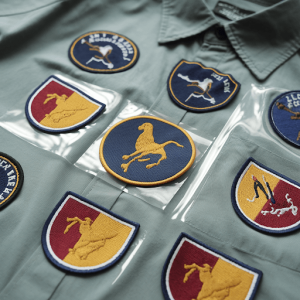
    A shirt with multiple iron-on patches.

    What To Use If You Don’t Have an Iron?

    No iron? No problem.

    Can You Use a Hair Straightener to Iron on Patches?

    Yes! Just sandwich the patch between two cloth layers and use the flat iron to apply heat evenly. This is great for hats or smaller areas.

    Still asking, can you iron on patches with a hair straightener? Absolutely, just be sure not to burn the patch or fabric.

    What About a Hair Dryer?

    Not ideal. While some ask can you use a hair dryer for iron on patches, a hair dryer doesn’t generate enough direct heat or pressure for a proper bond.

    Iron-On Patches for Every Style

    From unique patches for denim to custom patches for uniforms, iron-on styles offer massive creative freedom. You can find cheap iron on patches for casual use or invest in the best iron on patches for permanent wear. 

    And if you’re not sure what patch type you’re looking for, consult a patch maker or use a patch creator online to design the perfect fit for your outfit.

    Common Mistakes When Ironing On Patches

    Even seasoned patch fans get tripped up. Here’s what to avoid:

    • Skipping the heat test on your fabric
    • Using steam (kills the adhesive!)
    • Not pre-washing your garment (oils stop adhesive from bonding)
    • Applying heat unevenly
    • Not letting it cool before testing

    Got clothes falling off the hanger or letters peeling on your shirt? It could be poor adhesive or heat seal issues. Either way, you need to know how to fix peeling letters on a shirt, which often involves pressing again with new adhesive or stitching around the edge.

    Follow our Step-by-Step Guide on How to Iron on Patches on Clothes for better placement.

    How to Make Iron-On Patches Stick Better and Stay Put Longer

    If your iron-on patches not sticking situation is driving you mad, don’t worry. With the right steps, you can boost the adhesive power and ensure your patches don’t peel, crack, or fall off unexpectedly.

    Prepping the Surface Is Key

    Before applying your patch, always wash and dry the garment first, no fabric softener. This removes any oils or coatings that could weaken the iron on patch adhesive. Make sure the surface is flat and smooth, avoid seams, buttons, or textured areas.

    Use a Hard Ironing Surface

    Don’t use your bed or a squishy ironing board. Instead, find a hard, heat-resistant surface, like a wooden table with a towel over it. The firmer the surface, the better the pressure and patch adherence.

    Apply Heat Evenly

    Whether you’re using a standard iron or wondering how to iron on patches with a hair straightener, the secret lies in even pressure and heat distribution. Focus on all the corners and edges. If left cool in between applications, some edges may peel or lift later.

    If you’re dealing with a patch that won’t stick, pressing it again for a few seconds with proper heat can fix the bond.

    Removing Iron-On Patches: Can It Be Done?

    Sometimes, we change our minds or just want to upgrade our patch styles. So, how to get iron on patches off?

    Heat Removal Method

    Use your iron again. Place a thin towel over the patch, heat it up, then peel slowly while warm. Leftover adhesive can be removed with rubbing alcohol or a gentle fabric adhesive remover.

    How to Remove Heat Seal Labels from Clothing

    Heat seal labels behave similarly to patches. Apply heat to the label area using an iron, then gently peel off. If adhesive remains, use Goo Gone or acetone-based cleaners cautiously, especially on delicate fabrics.

    Keep in mind, once removed, the garment might show a faint outline or residue, especially on darker materials.

    FAQs: Iron-On Patches

    Are Iron-On Patches Durable?

    Yes, iron-on patches are durable when applied correctly. Still, combining heat with stitching is the safest bet for long-term use, especially on outdoor or work gear.

    Can You Put Iron-On Patches on a Hat?

    Absolutely! Just be careful about heat. Use a hair straightener or handheld iron to control the pressure on curved surfaces. If you’re asking how to iron on patch to hat, always press from the inside of the hat and hold the shape steady.

    Do Iron-On Patches Stay On?

    They do, but it depends on how well you apply them. Remember, correct pressure, heat, fabric, and technique all matter. If applied well, many iron-on badges can last the life of the garment.

    Make Your Patch Stick (And Your Style Stand Out)

    There’s no better way to make a personal or professional statement than with a bold, high-quality patch. But even the best iron on patches won’t last if they aren’t applied correctly. 

    By following these tips, choosing the right fabric, applying enough heat and pressure, and knowing when to sew patches on leather, you’ll make sure your patch game stays strong, stylish, and stuck exactly where you want it.

    Work with our expert patch creators today and design something truly special. Browse our range of unique patch styles, or request a custom quote for bulk or bespoke orders.