Author: bpmukadmin

  • How To Tell If A Patch Is Iron-On: Visual, Touch Characteristics & More!

    How To Tell If A Patch Is Iron-On: Visual, Touch Characteristics & More!

    Let’s be honest, there’s nothing more awkward than standing over your fresh new patch with a hot iron in hand, praying to the polyester gods you don’t ruin your hoodie. It’s even worse when you’ve got no idea if that patch is iron-on or not. Will it stick like a dream? Or sit there like a lazy loaf?

    If you’ve ever ordered custom patches online or rifled through your growing collection of embroidered goodies, you’ve probably asked yourself: “Is this thing even iron-on?” You’re not alone. 

    With hundreds of custom patch styles floating around, from iron-on, sew-on, Velcro, and adhesive-backed options, knowing what you’ve got is half the battle. Lucky for you, we’re spilling the thread.

    Whether you’re prepping a custom logo patch for your bomber jacket or dressing up your team’s workwear, here’s exactly how to tell if your patch is iron-on, without melting your fabric or your sanity.

    First: What Is an Iron-On Patch, Anyway?

    Iron-on patches are basically the “instant noodles” of the patch world, quick, easy, and ready to serve. They come with a heat-activated adhesive backing that bonds to fabric when you apply heat (usually from a household iron). They’re wildly popular among people who love DIY, hate sewing, or both.

    Iron-on is a standard for many who buy custom patches online, especially for corporate apparel, scout groups, or fashion merch drops. But not all patches are created equal. So, how do you decode yours?

    1. Flip It Over – The Back Tells the Truth

    The back of a patch is the biggest giveaway. Turn your patch over and inspect it like you’re on an episode of Patch Detectives.

    • Iron-On: Has a slightly glossy, plastic-like sheen. It’s smooth to the touch, almost waxy or shiny.

    • Sew-On: Has a cloth-like or fabric texture on the back. No shine. Just feels like… well, fabric.

    • Velcro-backed: Usually has a black, fuzzy loop or rough hook side attached, so obvious, it doesn’t need inspection.

    • Sticker-backed: Peels like a sticker. If you’re peeling, you’re dealing with adhesive, not iron-on.

    When you’re working with high quality embroidered patches made in the UK, that subtle shiny layer is your telltale sign it’s ready for heat.

    2. Touch Test: Feel for the Film

    Still unsure? Rub your fingers along the backside of the patch. Iron-on patches typically feel:

    • Slick

    • Slightly stiff

    • Not soft like the rest of the fabric

    If the patch feels like it’s had one too many layers of hairspray, it’s probably iron-on.

    3. Stitch or Stick? Look for Factory Hints

    Some embroidered patch makers or online vendors will label the backing type on packaging. If you’ve ordered through a trusted custom patch maker near you, like us over at Patch Makers UK (ahem), you’ll see clear instructions.

    Still guessing? Try a corner. Place a cloth between the iron and patch, apply heat, and check if it starts bonding. If not, congrats, it’s probably sew-on.

    Warning Signs That It’s Not Iron-On

    If you notice any of these, back away with the iron:

    • Loose threads along the border

    • Fluffy or fuzzy back

    • No glossy finish

    • Super soft underside

    Trying to iron these can result in disaster. You might melt the thread or worse, warp the patch beyond repair.

    Why Does It Even Matters?

    Short answer: heat ruins things. If you’re working with synthetic garments, iron-on patches for polyester require precise temperature control. Going in blind? Risky.

    Knowing if it’s iron-on helps avoid:

    • Burnt patches

    • Melted clothing

    • Wasted time

    Not to mention, some fabrics just don’t hold up to heat, especially materials like rayon, nylon, or stretch blends. (Yep, those stretchy joggers are not patch-friendly.)

    Choosing the Right Patch for the Right Occasion

    Some patches are built for display, others for durability. For example:

    • Custom iron-on patches are great for fast branding on polos or casual uniforms.

    • Sew-on options work better for jackets or high-wear gear like biker cuts and denim.

    • Velcro styles are ideal for military units, team badges, or promotional swag you need to swap.

    Want help designing the perfect combo of style and functionality? Tap into our full range of patch styles and customization options for every need, from corporate logo patches to custom flag patches and beyond.

    A Patch Panic? Not On Our Watch

    Too many patch fans learn the hard way. One bad iron job and boom, your once-crisp custom embroidered patch looks like a sad tortilla chip.

    Before you commit patch to cloth, it pays to know what you’re working with. If you’re in doubt, we always recommend checking out our step-by-step guide on how to iron-on patches, complete with temp settings, fabric warnings, and pro tips.
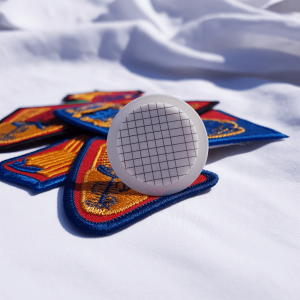
    A close-up of several custom iron-on patches.

    Looking to Order? Go With Pros Who Know Backings

    We’ve been in the patch game long enough to know that half the battle is prep. At Patch Makers UK, we don’t just hand you a patch and wish you luck. You’ll get:

    • Expert backing advice (iron-on, sew-on, Velcro)

    • Fast production and shipping across the UK

    • Guidance tailored to fabric, garment, and use case

    Thinking of a rush order for your team’s workwear? Or maybe you’re looking to design your own custom patch and order in bulk? Either way, we’ve got your back (and your jacket’s).

    And in case you’re still unsure what patch type fits your project, you can always reach out, we don’t gatekeep good patch advice.

    Can You Iron On to Polyester? Yes, But You’ve Gotta Do It Right

    Polyester’s the lightweight MVP of activewear, work uniforms, and branded merch. But it’s also a diva when it comes to heat. The fabric can melt, scorch, or warp if you’re not careful. That’s why knowing how to handle iron-on patches for polyester is crucial.

    So what’s the sweet spot?

    • Set your iron to low-medium heat (110°C–135°C)

    • Use a pressing cloth or parchment paper between the patch and iron

    • Press, don’t slide. Hold for 15–20 seconds, then lift and check.

    Overdo it, and your patch turns into a bubbly pancake. Underdeliver? It peels right off. Think of it like cooking bacon: low, slow, and with supervision.

    Looking for a patch that sticks flawlessly even on poly gear? Our custom iron-on patches are made with melt-proof adhesive backings, perfect for branded jackets, hoodies, and uniforms.

    Other Ways to Know If a Patch is Iron-On: The Deep Dive

    Here’s a fun tip most folks don’t know: Use a flashlight. Hold your patch up to a strong light source. If the backing reflects light with a sheen or gloss, it’s likely an iron-on. If it doesn’t? That’s a big nope.

    Also, don’t overlook the smell test. (Yep, it’s weird but it works.) If you warm the patch slightly (say, with a hairdryer), iron-on adhesives give off a faint plastic scent. Sew-ons won’t.

    Still unsure? You might be dealing with something trickier like a custom sublimated patch or PVC patch. These don’t follow the same rules. That’s when a patch maker with real expertise comes in clutch.

    When It’s Better Not to Iron

    If your patch is rare, vintage, or costs you more than your last takeaway dinner, don’t mess around. Some pieces are better off sewn. Especially:

    • Patches with metallic threads

    • Older patches with dried adhesive

    • Patches on heat-sensitive fabrics like silk, leather, or spandex

    Also, if you’re trying to customize bags or caps, stick with custom Velcro or sew-on patches. Ironing these surfaces can destroy the structure and let’s be honest, a warped baseball cap is a sad cap.

    Troubleshooting: Iron-On Failures and What They Mean

    So you tried it and the patch didn’t stick. No sweat. Here’s what could’ve gone wrong:

    Problem Likely Cause Quick Fix
    Patch peels at edges Not enough heat/time Repress with firm pressure
    Patch lifts completely Wrong fabric (e.g., nylon or leather) Try sewing or use fabric glue
    Patch bubbles or wrinkles Heat too high or iron moved Use pressing cloth + steady hold
    Adhesive sticks to iron No protective layer used Clean iron, use parchment or cloth next time

    Already dealt with lifting issues? We’ve got a full guide on how to prevent iron-on patches from falling off that can help you out.

    Pro Tip: Use Both Heat & Stitching (The Hybrid Method)

    Want peace of mind? Use the hybrid method: iron the patch in place to secure position, then add a few hand stitches around the edges. It adds durability, especially if your patch is going on gear that gets regular washing or friction.

    This combo works great on:

    • Work uniforms

    • Scout patches

    • Biker jackets

    • Event or brand promo wear

    Ordering for a team, club, or event? We offer bulk custom patches at low prices, including hybrid-ready designs that hold up under pressure. 

    The Final Iron Word

    So next time you’re staring down a patch and wondering if it’s iron-on, remember: the answer is right in the back. Literally.

    If you’ve got a polyester jacket begging for a brand moment or a tee just waiting to be upgraded, don’t wait. Use this guide, test your patch, and make it count.

    And if you’re still second-guessing? Drop our team a line, we’ll help you sort it without the guesswork. After all, we’re not just another custom patch factory, we’re the best patch makers in the UK, and we’ve got your back (and your fabric).

  • Top Approaches to Leveraging Custom Patches in Corporate Swag

    Top Approaches to Leveraging Custom Patches in Corporate Swag

    No one’s getting jazzed over another boring branded pen or USB stick. If your corporate swag kit still screams “HR made me do this,” it’s time for a serious glow-up. Enter custom patches: versatile, stylish, and just rebellious enough to make your brand feel cool again.

    Custom patches beyond just for punk bands, scouts, or denim jackets anymore. From networking events to employee welcome kits, they’re shaking up the swag scene across the UK (and yep, across the pond too). If your goal is to leave a lasting impression on people and fabric, this is how you do it.

    Let’s break down how to leverage patches that don’t just stick, they stick with people.

    1. Go Beyond Logos: Design Patches That Tell a Story

    When it comes to corporate giveaways, slapping your logo on a circle and calling it a day is… uninspired. The best corporate patches speak to your brand and your culture. Think witty quotes, inside jokes from your team, or icons that reflect your industry.

    For example, a tech startup might offer a “Beta Tester” patch for clients who were part of their MVP rollout. A coffee chain could gift employees embroidered espresso machine patches for hitting sales milestones. These are the pieces that people actually want to wear on their jackets, backpacks, or hats.

    2. Match Patch Style with Your Brand Personality

    Don’t just go with the first patch style Google throws at you. Corporate swag is about alignment and no, that doesn’t just mean printing your Pantone shade right.

    Leather patches scream premium. Perfect for luxury lifestyle brands or corporate gifting to high-value clients.

    Woven patches are sleek and detailed, great for fintech, design, or anything requiring precision.

    Chenille patches? Fluffy, retro, nostalgic. Think school pride, community engagement, or youth-oriented campaigns.

    Custom PVC patches? Ideal for weatherproof outdoor gear, construction brands, or sports-related swag kits.

    Not sure which to pick? Here’s where your custom patch maker near me matters. Expert patch makers (like Patch Makers UK) help you match patch styles to your business identity with that “a-ha, this is so us” energy.

    3. Use Patches to Segment Your Audience (Stealthy Smart)

    Yes, custom patches can be functional and we’re not just talking about branding. Segment your audience with patch variations.

    • Send custom embroidered patches to your top-tier clients, maybe even with custom employee name patches if it’s a company collab.

    • Offer bulk custom patches for uniforms to vendors or partners repping your brand on-site.

    • Give personalized iron on patches as limited editions at trade shows, encouraging social sharing (and FOMO).

    It’s all about leveraging exclusivity. Swag isn’t just about the freebie. It’s about what that freebie says about the relationship.

    Speaking of exclusivity, if you’re launching a new initiative or division, you could even create a limited patch run to signify its debut, positioned like a collector’s badge.

    4. Ditch the Standard Swag Bag: Think Patch Kits

    Corporate gifting isn’t about quantity anymore, it’s about thought. Try including a patch starter kit in your next PR box, with:

    • 1–2 custom logo patches (for jackets or bags)

    • A cheeky instruction guide (bonus points if it’s on-brand funny)

    • An iron-on sheet with custom iron on patches for easy application

    • Bonus sticker or pin for good measure

    Boom. Now you’re not just giving swag, you’re giving an experience. That’s a lot more “retweet-worthy” than a polyester tote.

    Looking to order custom embroidered patches UK without the corporate lag time? Patch Makers UK offers fast turnaround custom patches in the UK, so you can get creative without slowing your campaign down.

    5. Celebrate Internal Wins with Patches

    Let’s be honest. Employee of the Month certificates are dust collectors. Replace them with limited edition patches.

    • “KPI Slayer”

    • “Inbox Zero Club”

    • “Brand Voice Mastermind”

    You name it. Literally. With personalized embroidered patches, you can recognize quirky milestones with style. Employees might even trade or collect them like badges of honor.

    Want to brainstorm creative name patches that hit different? This blog might help: Ways For Creating Unique Custom Embroidered Name Patches.

    A collection of black tote bags, each displaying a custom embroidered patch.


    6. Event Merch That Doesn’t Go in the Bin

    Here’s a truth bomb: Most event swag ends up in the trash or buried in a drawer. But custom patches? They’re wearable, collectible, and nostalgic all in one.

    Give attendees custom patches for events they’ll actually want to keep. You can even offer an on-site patch bar, let guests choose their patch design, or better yet, design your own patch and order it in advance. They’ll remember the experience and your brand for months (or years) to come.

    This works wonders at:

    • Trade shows

    • Product launches

    • Brand activations

    • Company retreats

    • University fairs

    Want the wow factor? Add custom sequin patches or PVC patches with texture and colour to stand out.

    And if you need a patch maker who can handle rush orders and weird ideas (the good kind), trust a UK patch company with free shipping.

    7. Add Personality to Corporate Uniforms

    Here’s how you avoid the “copy-paste employee” effect: Let staff own a piece of their uniform.

    Whether it’s custom patches for hoodies, workwear jackets, or polos, adding corporate logo patches UK made brings identity and unity.

    Mix in fun variations like:

    • Division-specific emblems

    • Seasonal event patches (think custom patches for Christmas or Easter)

    • Employee-generated patch contests

    Yep, you can even let them design your custom patch for a contest. They’ll wear it with pride and post about it too. That’s organic branding gold.

    Need help with long-lasting designs that won’t fade after the fifth wash? Go with high quality embroidered patches made in UK, stitched by pros who get the assignment.

    8. Surprise-and-Delight Marketing with Patches

    Want to sneak your branding into customer lives… without being salesy? Try surprise patches.

    Drop a custom flag patch or a custom logo patch for bags in an online order as a freebie. It’s unexpected. It’s creative. And it gets shared.

    You can rotate designs, make collectible versions, or create exclusives tied to product lines or seasons. The goal? Build brand fans, not just customers.

    This works especially well for:

    • Fashion and streetwear brands

    • Craft beverage or coffee companies

    • E-commerce lifestyle startups

    If you’re wondering how much do custom patches cost, you’ll be surprised how affordable they are when ordered in bulk and the ROI speaks for itself.

    9. Brand Collabs? Use Patches to Co-Market Like a Pro

    Teaming up with another brand? Go beyond shared content and limited-time bundles, drop a collab patch.

    This tactic works well for:

    • Music artist x brand collabs

    • Apparel x food mashups

    • NGO x corporate sponsorships

    These promotional patches for brand marketing turn your collab into a keepsake. And if your audience is patch-happy (hello streetwear and festival-goers), it’ll drive serious engagement.

    You can even sell them on Etsy or include them in product bundles. Limited-edition collab patches = built-in hype.

    Check out this deep dive for inspo: UK#1 Guide to Custom Patch Sizes, Types, Colours, Borders & Backings

    10. Don’t Sleep on Eco-Friendly Patch Options

    If your company’s shouting about sustainability (or whispering it, that’s okay too), make sure your swag aligns. Ask your custom patch maker in the UK about:

    • Recycled threads

    • Vegan leather options

    • Low-impact dyes

    • Biodegradable backings

    Not only will your custom patches made in the United Kingdom look sharp, they’ll do good and that’s a story worth telling in your campaign copy, too.

    Corporate Swag People Want to Keep? Patches Win.

    Let’s be real, today’s audience isn’t impressed by gimmicks or generic giveaways. They want meaning, personality, and something they’ll actually wear.

    Custom patches tick every box: they’re personal, flexible, budget-friendly, and unforgettable. And if you’re using them smartly from employee appreciation to high-impact campaigns, you’re not just handing out swag… you’re sparking brand love.

    All set to get your custom patches? Whether you want to buy custom patches online, explore custom embroidered patches, or you need a custom patch maker near me who delivers without drama, Patch Makers UK is your go-to.

    Need expert help, a quote, or just want to bounce patch ideas off a real human? Reach out to Patch Makers UK team here and let’s get stitching.

  • How Patch Branding Gives Small Businesses a Big-Time Marketing Edge

    How Patch Branding Gives Small Businesses a Big-Time Marketing Edge

    Ever noticed that a simple embroidered patch on a tote bag or jacket can grab your attention? That’s not luck. Small businesses are using custom patches to make a big splash, all without a massive budget. 

    Hundreds of brands have discovered that a well-designed patch does more than decorate. It turns everyday items into walking billboards. That means more eyes on your name. It boosts brand awareness. It even builds loyalty, people keep the patch, wear it, and show it off. 

    Here’s the secret. Custom patches made in the UK, especially embroidered patch makers are seeing rising demand. Small businesses get that trusty vibe. Physical, textured, and detailed. You don’t just buy one. You buy a mini marketing tool. 

    Stick around. You’ll learn how patch branding works, why it gives you an edge, and where to get patches made right (hint: Patch Makers UK handles everything from custom sequin patches to custom iron-on patches). You’ll walk away ready to turn your brand into a badge people are proud to wear. 

    1. Patch Branding = Real-World Word of Mouth

    Patches are tiny billboards. Someone wears your brand, and every look becomes an ad. No scroll needed. Custom embroidered patches stand out in crowds. People ask questions. They tag photos. They spark conversations. One customer with your patch acts as a walking marketing machine. That’s promotional power without spending on ads. 

    2. High-Quality Patches Make You Look Legit

    Cheap prints fade. Cheap patches peel. Embroidered patch makers that use thick thread and solid stitching set your brand apart. They don’t just give a patch. They give a premium experience. When someone sees a patch brandished on a hoodie, they don’t just see a logo. They see trust, care, and quality. 

    3. Custom Sequin Patches & Iron-On Patches Add Fun

    Not everything needs to be serious. Glittery custom sequin patches light up looks. Custom iron-on patches make it easy for customers to apply the badge themselves. That playful or DIY vibe sets your brand apart. Great for pop-up shops, merch drops, or youthful audience brands. 

    4. Getting Patches Made Means a Smarter Investment

    Buying custom patches made in the UK, especially locally, saves time, not just money. No long waits. No missed shipments. Getting patches made through a trusted patch maker means fast turnaround and real communication. Some providers even offer fast-shipping for rush campaigns. That means you can skip promo delays and capture the peak moment. 

    Read our top-most read article on how custom logo patches are being used for branding and promotions.

    5. Patch Makers UK Means No Guesswork

    Brands like Patch Makers UK combine quality with clarity. They let you get customization feedback, digital proofs, and transparent quotes. That means no surprises in cost or design. 

    Want to bulk order patches for bags or jackets? Great. Looking for custom iron-on patches made in the UK? They got it. It’s a clear process, easy to understand even if you’re new to branded merch. 

    6. Collectible Patches Build Community

    Limited-edition patches create a sense of belonging. People start hunting for each release. A patch can feel like a badge of honor. As fans collect patches over time, they build connections to your brand. That drives loyalty, repeat purchases, and word of mouth.

    7. Patch Branding = Versatility for Small Businesses

    Need merch for a booth, staff uniforms, or gifts? Patches slot into everything. They stick on hats or backpacks, sew on patches for clothes, or iron onto tech cases. That means one brand asset for multiple products. Saves cost on design and inventory while keeping your branding consistent.

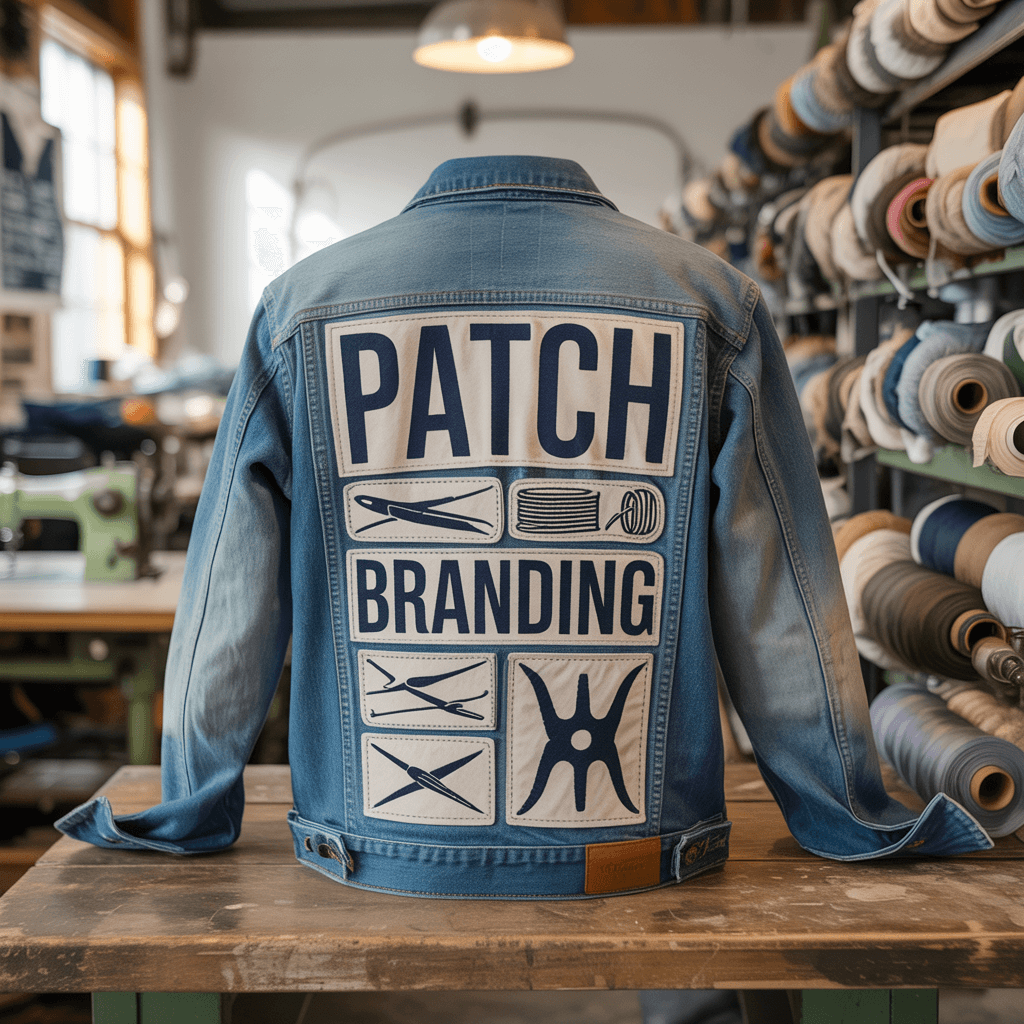
    A view of a denim jacket displaying several embroidered patches.

    8. Patch Quality Reflects Brand Values

    A masterpiece patch says you care. A bad patch says otherwise. High-quality embroidered patches signal attention to detail, exactly what customers expect from boutique shops, local brands, and small businesses. It’s silent communication. It says, “This is good. This is you.” 

    9. Smart Pricing Means True ROI

    Working with a top patch maker means no unnecessary extras. You get real bulk pricing. No hidden setup fees. No overspend. That solid price-per-patch dips with bigger orders, so brand premium merch stays profitable. That turns patch investment into a smart marketing play. 

    You know why custom PVC patches are the future of UK branding, then have a look at our best article ever!

    10. Fast, Local, and Reliable Beats Overseas Guessing

    Outsourcing overseas may be cheap until delays happen. Then quality drops. Then top-loading shipping hits. That costs time. Also, dealing with time zone issues and slow communication drains energy. A local patch maker means quicker fixes, faster shipping, and fewer surprises. That uptime keeps your brand agile. 

    Frequently Asked Questions

    1. Why should businesses order custom patches in bulk?

    Bulk orders offer significant cost savings, faster production timelines, and consistent quality across large quantities, ideal for uniforms, promos, and retail.

    2. What types of custom patches can I order in bulk from Patch Makers UK?

    You can order everything from custom embroidered patches and PVC patches to leather, chenille, sublimated, woven, and even custom sequin patches in bulk.

    3. Is there a minimum order quantity for bulk custom patches?

    At Patch Makers UK, we offer cheap custom patches with no minimum but the bigger your order, the more you save.

    4. Can I get custom logo patches for bags, hats, and jackets in one order?

    Absolutely. You can mix custom logo patches for jackets, hats, bags, and more in a single bulk order tailored to your business needs.

    5. How fast can I receive my bulk patch order?

    We’re known for fast turnaround custom patches UK-wide, especially for businesses needing reliable, on-time deliveries.

    6. Are bulk patches good for promotional marketing?

    Yes! Promotional patches for brand marketing are an affordable way to boost visibility at trade shows, pop-up events, and in-store branding.

    7. Can I request a sample before placing a large patch order?

    Definitely. We’ll help you finalize your design and can show you a sample to ensure everything’s perfect before we go full scale.

    Summing Up

    Patch branding is a hidden gem in small business marketing, especially when done right. Custom embroidered patches give a physical expression of your brand. They turn your logo into a statement. They spark conversation. They build loyalty. High-quality iron-on patches and custom sequin patches made in the UK not only look good, they feel like you care. 

    Getting patches made from a reliable provider means you spend smart, not just less. No guessing about quality, hidden fees, or late delivery. The UK’s best patch maker gives proof previews, clear pricing, choice of backings, and quick turnaround, all without fuss. 

    Turning your brand into a badge is more than decoration. It’s a strategy. It’s a connection. It’s a mini-marketing engine. If you’re ready to see what your brand looks like on a patch, you’re ready to level up your brand game.

  • How to Iron-On Patches On Polyester: Tips for a Flawless Finish

    How to Iron-On Patches On Polyester: Tips for a Flawless Finish

    Nothing is quite as satisfying as peeling back a perfectly placed iron-on patch to reveal your design crisp and proud. Let’s face it: polyester can be a diva under heat, too much and you’re left with a melty mess, too little and your patch refuses to bond. 

    If you’ve ever stared at an iron like it’s some kind of unpredictable gadget from outer space, you’re not alone. Mastering iron-on patches on polyester requires a bit of finesse, some practical wisdom, and a few clever tricks up your sleeve.

    Here at Patch Makers UK, we live and breathe patches. Whether you’re applying custom logo patches for hats or customizing jerseys for a sports team, we want you to do it like a pro. Keep reading for insider techniques that help you put the “flawless” in your iron-ons, without the stress.

    Understanding Polyester: The Tricky Textile

    Before you jump in, let’s talk polyester. Known for its durability and easy care, this synthetic fabric also happens to be super sensitive to heat. Iron too hot and you’ll damage the fibers; too cold and the adhesive on your iron-on patches just won’t bond properly. That’s why knowing how to apply iron on patches on polyester is an absolute must. Unlike denim or cotton, polyester requires patience and finesse.

    That’s why so many of our customers love the support of a trusted patch maker like us at Patch Makers UK, we specialize in manufacturing high quality embroidered patches made in the UK that stand up to the heat (and the elements). 

    Plus, we offer a whole range of styles from Custom Embroidered Patches to Custom Chenille Patches, so you can choose what suits your aesthetic. Whether you need personalized clothing patches or want to design your own patch and order one-offs for a custom look, you’ll find the best place to order custom patches with us.

    What You’ll Need for Success

    Before we dive into the process, gather up these simple tools:

    • A household iron with a temperature dial

    • A smooth, heat-resistant surface (hard surface like a wooden table covered with a towel)

    • Thin pressing cloth or pillowcase

    • A stopwatch or timer (optional, but so handy)

    • Iron-on patches for polyester, this is key. Our range of custom iron on patches at Patch Makers UK is created especially for synthetic fabrics so you never need to worry about adhesion.

    And while you’re preparing your setup, also take a second to check out our service pages for some inspiration. Whether you’re looking for Custom PVC Patches that offer vibrant, durable designs or classic Custom Woven Patches that deliver fine detail on sports kits and work uniforms, we have you covered.

    Step-by-Step: Applying Iron-On Patches to Polyester

    Once you have everything assembled, it’s time to do the magic. Remember: slow and steady wins this game.

    1. Preheat With Caution

    Set your iron to a medium-low setting, polyester can easily scorch above 300°F (roughly 150°C). Some iron-on patches require a bit more heat, but always err on the side of caution to protect your fabric.

    2. Position & Prep

    Lay your garment flat and smooth out any wrinkles. Place your iron-on patches exactly where you want them. Cover the patch with a pressing cloth, this shields your polyester as you work. If you need help choosing the perfect style, check out our article, How to Iron on Patches on Clothes: Step-by-Step Guide for more pro-level tips.

    3. Apply Even Pressure

    Press the iron down firmly but gently for around 10–15 seconds. Avoid moving the iron around too much, keep it stationary so the heat can penetrate the patch evenly. Repeat as necessary until all edges have adhered.

    4. Let It Cool

    Allow the garment to sit flat and cool completely before inspecting your patch. Avoid touching the adhesive or flexing the fabric too soon.

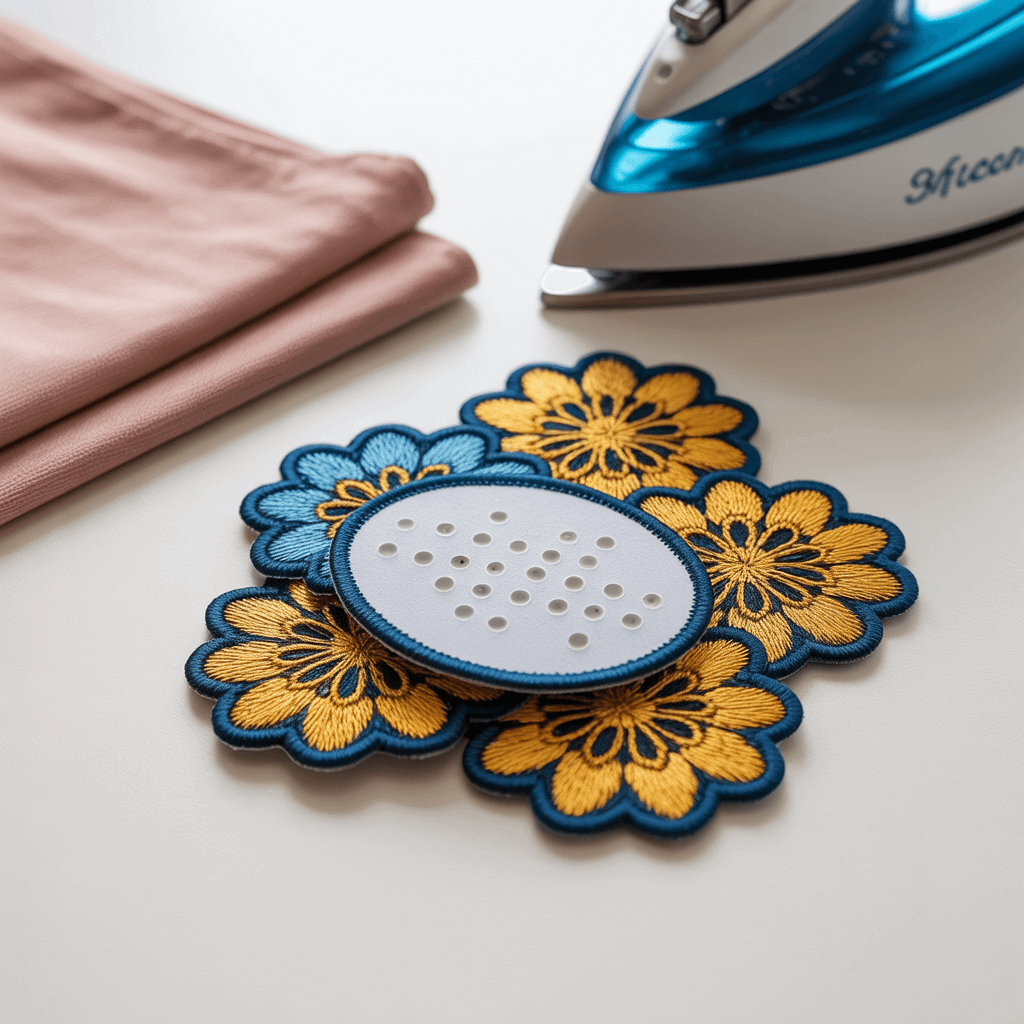
    A floral patch being ironed onto a pristine white polyester fabric.

    Avoiding Common Mistakes

    Nothing spoils a perfect iron-on patch like bubbling, lifting edges, or burnt fabric. Keep an eye on these common pitfalls:

    • Temperature Too High: Polyester is delicate. Test a small corner or use a sacrificial scrap of fabric if you’re unsure of your iron’s heat.

    • Insufficient Pressure: A light touch won’t cut it. Press down firmly so the heat and glue can do their thing.

    • Skipping the Cloth Barrier: Even a pillowcase will do, this is your best friend in preventing scorching or discoloration.

    • Rushing the Cooling Process: Patience is a virtue; let the adhesive set properly before peeling up edges or putting the garment to use.

    Going Beyond the Basics: Pro Tips for Flawless Iron-Ons

    Once you master the essentials, there are a few pro tricks that can level up your game and help you get professional-grade results every single time.

    Test on a Scrap Fabric First

    If you’re nervous about damaging a garment, cut a small swatch of polyester (or use a hidden hem) to do a trial run. This way, you’ll nail the perfect temperature and pressure before tackling your final garment.

    Reinforce Problem Areas

    Some spots, especially on curved or awkward areas like caps or jacket seams, can be tricky. After pressing the main part of your patch, use the tip of your iron to give extra attention to edges and corners. Trust us, this is where most lifting happens.

    Consider a Sewn Edge for Extra Security

    Polyester can be slick, so stitching the edges of your iron-on patches will guarantee they stay put forever. If you’d like to explore this further, our article on Can You Use a Steamer for Iron-On Patches? Best Tips & Temps breaks down alternative attachment techniques that can help you decide whether a combo iron-and-sew method is right for your project.

    Why Polyester & Iron-Ons Make a Great Match

    Despite its sensitivity to heat, polyester is a dream for iron-on patches when treated properly. Its smooth surface allows patches to lay flat and look super crisp. Plus, polyester holds color exceptionally well, so your bright, bold patches pop, making this combo perfect for custom logo patches for hats, custom logo patches for bags, and even custom biker patches for jackets.

    And don’t worry about cost either, you can score cheap custom patches with no minimum if you partner with the right best patch makers in the UK. Here at Patch Makers UK, we offer a huge range of UK custom patches so you can buy custom patches online with confidence, knowing you’ll receive top-notch designs and a quick, fast turnaround custom patches UK every time.

    What Are You Thinking Now?

    By now you probably see why iron-on patches on polyester are a style-savvy move. Whether you want to add flair to a hoodie, team uniforms, or a backpack, iron on patches for polyester deliver a clean and professional look that holds up through countless wears and washes.

    And if you’re wondering where to get the best patches, look no further, Patch Makers UK is proud to be the UK#1 Custom Patch Manufacturer. You can explore all kinds of styles on our Custom Leather Patches page if you’re looking for an upgrade with a luxury touch, or go bold with Custom PVC Patches for a waterproof, modern design.

    Still not sure which style fits your needs? Reach out to our team, we make it simple to design your own patch and order exactly what you envision.

    And when you’re ready to take your patch game to the next level (without all the trial and error), get your custom patches with us at Patch Makers UK. Our experienced team is here to help you every step of the way, feel free to contact us today and let’s make your next set of patches a reality!

  • Custom Leather Patch Care & Maintenance Tips for Longevity

    Custom Leather Patch Care & Maintenance Tips for Longevity

    Leather has always been the undisputed king of durability and style and that’s exactly why custom leather patches can make your apparel stand out in a crowd. Whether stitched onto a rugged biker jacket, a polished messenger bag, or a bomber jacket, these patches don’t just make a statement; they give your gear a lifespan that looks and feels premium. But here’s the catch: even leather needs some TLC if you want it to last forever.

    Why Leather Patches Need Special Care

    Unlike synthetic patches, leather is a natural material that breathes, ages, and responds to its environment. Think about it like a fine pair of shoes or a leather chair, it looks better with age if you take care of it. 

    Without proper care, though, those glossy custom leather patches can dry up, crack, and lose their appeal faster than you’d like. Keeping them in top-notch shape is easier than you’d expect and will help you get the most bang for your buck, especially if you’ve invested in the best place to order custom patches.

    And let’s face it: nobody loves the look of a cracked, faded, or peeling patch. Treating your patches like they deserve will keep them looking sharp through all kinds of wear, from everyday style statements to the most hardcore adventures.

    Gentle Cleaning for Leather Patches

    Your leather patches might pick up a bit of grime over time, especially if they’re stitched onto gear you wear regularly, like your go-to hat or that favorite leather jacket. The easiest way to clean them is also the simplest:

    Wipe them gently with a damp cloth – Microfiber works best because it’s gentle and doesn’t scratch.

    Use a mild soap – if you must, Avoid harsh chemicals. A tiny bit of saddle soap or a gentle cleanser will do.

    Never soak your patches – Leather and water don’t mix well. Too much moisture can dry them out or warp the material.

    If you need patches for other materials that stand up to more abuse, like Custom PVC Patches or Custom Woven Patches, check out the range at Patch Makers UK. They offer everything from embroidered patch makers who craft classic looks to creative solutions like Custom PVC Patches that laugh at rain and mud.

    Keeping Leather Patches Soft and Supple

    Over time, even the most carefully stitched patches will lose a bit of their softness, especially if they see a lot of sun or are stitched onto gear that stays outside a lot. That’s where conditioning comes in. 

    A light touch of leather conditioner every 3–6 months keeps those patches supple and prevents cracking. You don’t need to go overboard here, a little bit goes a long way. And as a bonus, conditioning can deepen the color and add a subtle sheen that looks rich and polished.

    If you’ve picked a leather style for your patches and want to compare that against other popular styles like Custom Chenille Patches or Custom Leather Patches, Patch Makers UK is hands-down the best patch maker in the UK for all kinds of styles. Check out their full range at Custom Leather Patches to see the difference for yourself.

    Avoiding Damage from Sun and Moisture

    Here’s a tip that most people overlook: where you store your patches matters just as much as how you clean them. Leather can dry out or fade if left in direct sunlight too often. If you’re someone who loves sporting their patches on outdoor gear, be it backpacks, hats, or jackets, give them an occasional break from long stretches in direct sunshine.

    And moisture? It’s leather’s enemy number one. Even small amounts of water can seep into the stitching and cause the leather to stiffen or warp as it dries. If your patches do take a hit from rain, dry them slowly at room temperature, never use a hairdryer or direct heat source, which will cause cracks faster than you can say “get patches made.”

    Sew-On vs. Iron-On Leather Patches, What’s Better?

    Here’s a big debate that often throws people off: Can you iron on leather patches? Technically, you can, but it’s not always the smartest move. Leather doesn’t play well with high heat, so if you plan on applying them to clothes at home, go with sew-on leather patches. Ironing can cause the leather to dry out or even warp around the edges, not a good look if you’re trying to keep your patches sharp and professional.

    If you do need iron-on patches for other materials (maybe for cotton or denim), check out the step-by-step guide from Patch Makers UK: How To Prevent Iron-On Patches From Falling Off. They’ve also mastered other kinds of patches, from Custom Embroidered Patches to Custom Chenille Patches, so you can design different kinds of patches for different fabrics all in one order.

    And if you absolutely must iron leather, do it with a buffer cloth between the iron and the patch on the lowest heat setting. But honestly? A quick needle-and-thread setup is your best bet. Sew-on patches allow you to reposition them later or remove them without damage, making them a flexible option for customizing gear for festivals, events, or even last-minute outfits.

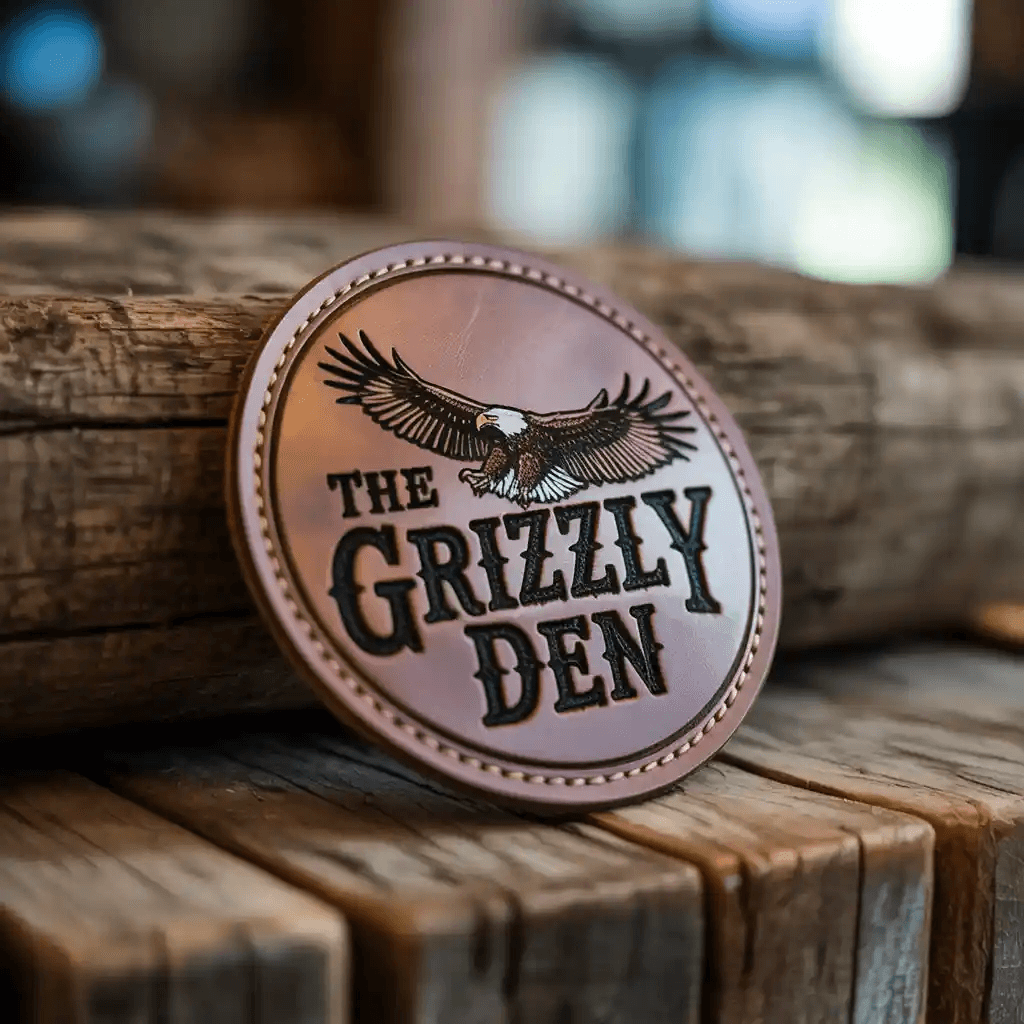
    A custom leather patch meticulously laid out on a rustic wooden surface.

    Storing Leather Patches for Longevity

    Great patches deserve great storage. Leather patches will last much longer if you store them properly between uses. Keep them in a dry, cool place, away from direct light, and consider placing them in a small cloth bag to protect against dust. This is especially true if you need bulk custom patches and want to keep your extras looking sharp for future use.

    When buying custom patches made in the United Kingdom, especially those with a focus on leather, don’t hesitate to go for Your Trusted Go-to Source for Quality Custom Patches in the UK.

    That way you can keep a stash on hand for any occasion, whether you’re personalizing clothing patches for workwear, making custom patches for sports uniforms, or just want some unique patches for a jacket or bomber that really pops.

    And if you want patches with different looks and feels, check out the other premium styles Patch Makers UK offer, like their slick Custom Sublimated Patches for intricate designs, or their iconic Custom Chenille Patches for that classic varsity feel. No matter what you choose, make sure you always store and care for them properly to keep them in top-notch shape.

    Frequently Asked Questions (FAQs)

    1. Can I iron on custom leather patches?

    It’s not recommended. Leather patches don’t react well to direct heat and can warp or dry out. It’s better to sew them on for a secure, lasting attachment.

    2. How do I clean my custom leather patches?

    Wipe them gently with a damp cloth and mild soap. Avoid soaking them in water or putting them in a washing machine, as this can damage the leather.

    3. How long do leather patches last?

    With proper care, avoiding excessive heat and moisture, leather patches can last for years, often outlasting the garment they’re attached to.

    4. What’s the best way to attach custom leather patches?

    Sewing them on is usually the most durable and professional method. Avoid iron-on adhesive; instead, use a strong needle and thread or take them to a tailor.

    5. Can I store leather patches for later use?

    Yes! Keep them in a cool, dry place away from direct sunlight. You can also store them in a cloth or plastic bag to prevent dust and scratches.

    6. Do you offer leather patches in bulk?

    Yes, Patch Makers UK offers bulk custom patches with no minimums and a fast turnaround, so you can stock up for future projects or events.

    7. What other types of patches can I order alongside leather patches?

    You can order a variety of styles, including Custom Chenille Patches, Custom Sublimated Patches, Custom PVC Patches, and more, all from one place for easier branding consistency.

    Invest in Quality, Then Maintain It!

    When you put time, creativity, and budget into designing leather patches that reflect your style, or your company’s branding, it’s worth going the extra mile to keep them looking their best. 

    Treat your custom leather patches like you’d treat a favorite leather jacket or a premium pair of boots: clean them gently, store them properly, and avoid harsh heat or moisture. The payoff? Long-lasting patches that keep making a statement.

    And remember, if you want patches that look fantastic and last for years, you need a trustworthy, experienced partner. Patch Makers UK is your go-to for UK#1 Custom Patch Manufacturer quality, whether you need custom patches for festivals, custom patches for small businesses, or one-off custom logo patches for hats, jackets, and bags. 

    Your gear deserves the best, so why wait? Get your custom patches today and make sure they last a lifetime!

  • UK Custom Flag Patches: Where, Why & How to Wear Them with Style

    UK Custom Flag Patches: Where, Why & How to Wear Them with Style

    You don’t need a megaphone to show off a bit of patriotic flair, sometimes all it takes is one killer custom flag patch stitched just right. No matter, if you’re decking out a jacket for your next festival or jazzing up a backpack so it never looks boring again, UK custom patches let your style do all the talking. 

    Unlike generic off-the-shelf designs, a well-made flag patch instantly says this is who I am, this is where I come from, and this is my crew. And that’s the beauty of custom flag patches, they’re the perfect mix of tradition and rebellion. Plus, they don’t cost an arm and a leg. Let’s take a closer look at how, why, and where you can wear them like a pro.

    How to Rock UK Custom Flag Patches Without Even Trying

    Before we jump into why, let’s tackle how. Stitching up some style with UK custom patches is easier than you think, especially if you want a look that doesn’t scream “trying too hard.” You want subtle but bold, personal yet practical. Here are a few quick tricks:

    1. On Outerwear That’s Seen Some Miles

    Your favorite bomber jacket deserves a few stories stitched in. Adding custom UK Flag patches on sleeves or shoulders gives it a worn-in, rebel-with-a-cause vibe. Think: vintage club member’s patch meets modern flair. Whether you want a big, bold emblem or something small and tidy, there’s a design style for every patch fan.

    Need patches for that bomber? Check out our Custom Biker Patches for Jackets to suit your next ride.

    2. On Bags That Go Places

    Your backpack’s already been around the world, or at least across the city. Why not make it feel like your backpack? From subtle custom logo patches for bags to eye-popping flag patches that add character, patches give your gear a personal stamp. Plus, they last forever, no peeling, no fading, just pure stitched pride.

    And if you want fast turnaround custom patches UK without breaking the bank? Patch Makers UK can help you buy custom patches online with confidence.

    Why Wear UK Custom Flag Patches? Because Blandness Is Overrated.

    Here’s the truth, if you’re looking for a cookie-cutter flag design that everyone else is rocking, you’re going to blend into the background. But if you want to make a bold, patriotic, and personal statement? That’s where custom flag patches come in.

    First off, they’re timeless. From motorcycle clubs to music festivals, sports teams, and scout troops, people have been personalizing gear with custom UK flag patches for decades. Why? Because it’s a badge of honor. 

    It’s a sign of where you come from, stitched into everyday items like a uniform or a weekend hoodie. Even companies use them for their employees, adding subtle branding with custom employee name patches for workwear that don’t feel too stiff or stuffy.

    And let’s talk about quality. Nothing beats high-quality embroidered patches made in the UK. Forget printed transfers that crack after a wash. Embroidered patches last, look better as they age, and can survive the rigors of festivals, biker meets, outdoor sports, even workwear.

    Curious about where you can buy quality patches? Check out our article on Your Trusted Go-to Source for Quality Custom Patches in the UK for tips on choosing the best place to order custom patches.

    Where to Wear Custom Flag Patches (That Doesn’t Involve a Parade)

    OK, so you’re all in. But where exactly do these patches fit into your wardrobe without looking like you just walked off a souvenir shop’s wall? Let’s look at the best spots:

    • Leather Jackets and Denim Vests

    That perfect combo of rugged and rebellious, custom flag patches just belong there. Whether you go bold with a big back design or tuck a small flag on the lapel, these spots can hold up for years and rack up plenty of compliments.

    • Beanies and Hats

    If you want to do this subtly, nothing beats custom hat patches. Stitch a small UK flag patch on a wool beanie for that minimal street style. You’d be amazed at how these tiny details can make an ordinary hat feel like a custom piece.

    A vibrant UK Custom Flag Patch meticulously embroidered.

    • Festival Wear

    Big music fest coming up? Grab some custom patches for festivals or a special custom flag patch as part of your outfit. It’s the easiest way to say you’re repping your style and your roots, especially at events like Christmas, Easter, or Thanksgiving where you want to feel a bit more personal.

    And if you want some more patch-spiration? Get more ideas on how to style up in our blog How Custom Patches in the UK Can Instantly Groom Casual and Formal Attire, your one-stop for turning everyday wear into a personalized style moment.

    Custom Flag Patches for Sports & Beyond

    Sports uniforms, gym bags, warm-up hoodies, you name it. Team spirit looks better with a custom touch. Imagine custom flag patches stitched onto sports jerseys or backpacks at your next tournament. These small yet vibrant patches show where you’re from and add that unifying team vibe without ever looking cheesy. 

    And let’s face it, bulk orders are easier and more affordable than you might expect, especially with bulk custom patches for uniforms designed by a UK#1 Custom Patch Manufacturer that actually knows what it’s doing.

    And for all you team captains, gym buffs, and fitness fanatics wondering “where to get custom patches made” that don’t feel like mass-produced freebies? Patch Makers UK offers the perfect mix of style, durability, and fast turnaround custom patches UK. Whether you’re looking for classic embroidered styles or something more modern like Custom PVC Patches, you’ll always score big.

    Custom Flag Patches at Work? Absolutely.

    Work uniforms don’t have to be boring. Adding a UK flag patch to your company’s uniforms gives your employees a sense of pride and connection. Whether they’re customer-facing in retail or heading to an outdoor job, custom employee name patches for workwear paired with a flag look sharp and professional. Even better, custom embroidered patches won’t wear off like heat transfers or printed logos.

    And if you’re worried about cost, Patch Makers UK keeps it affordable, you can buy custom patches online in small batches or in bulk. Curious about how much do custom patches cost? It’s probably less than you’d imagine, especially with deals like cheap custom patches with no minimum and rush order custom patches UK available.

    The UK Patch Scene: Endless Styles & Options

    One of the most exciting parts about creating your own flag patches is picking your style. Whether you want traditional embroidered designs or something bold like Custom Chenille Patches, or eye-catching metallic threads like Custom Bullion Patches, you’ve got serious options. Some people even go all-out with specialty styles like Custom PVC Patches, Custom Leather Patches, or Custom Sublimated Patches for that ultra-smooth print look.

    And let’s not forget about backing styles. Want iron-on? Sew-on? Velcro? You can customize that too. Patch Makers UK also offers Custom patches Velcro and other secure backings so you can switch up patches easily.

    Get Creative, Get Personal!

    There’s never been a better time to show off some personality, especially when you can do it with a high-quality custom flag patch that tells your story at a glance. Whether you want them for work, play, sports, or festivals, Patch Makers UK is here to help. Our goal? Deliver patches that feel as unique as you do, stitched with care, built to last, and proudly made in the United Kingdom.

    If you’re ready to design your custom patch and give your gear the flair it deserves, jump on the trend today. Get your custom patches now by visiting our Patch Makers UK Contact Us page and let’s make something amazing together!

  • How Custom Patch Designs Are Gaining a Cult Following in Alternative Subcultures

    How Custom Patch Designs Are Gaining a Cult Following in Alternative Subcultures

    Some accessories scream. Others barely whisper. Then there are custom patches, bold, rebellious, stitched-on statements that refuse to blend in. Whether you’re thrashing in a mosh pit or making heads turn on a quiet high street, patches have evolved from fabric flair to full-blown cultural icons. 

    Punk jackets dripping with safety pins? Goth handbags stitched with dark symbolism? Absolutely. Subcultures like these are exactly where patches flourish. And the truth is, patches never left the scene, they just got louder.

    Patches as Symbols of Rebellion and Identity

    Every alternative subculture has its badges of honor. From studded leather biker jackets to grungy backpacks that look like they survived an apocalypse, custom patches help wearers say who they are without saying a word. 

    Punks embrace patches as a middle finger to mainstream fashion. Goths and alternative style lovers lean into them for their moody aesthetic and mysterious symbolism. Even metalheads sew them onto denim like tiny trophies of every sweaty basement gig.

    And don’t sleep on how patches and their meanings evolved. They go way back to counterculture movements, as we explored in our deep dive into the history of embroidered patches that shaped fashion and identity. Modern alternative subcultures took that heritage and ran with it, creating a demand for patches that say more, last longer, and stand out against cookie-cutter accessories.

    Why the Underground Loves Custom Patches

    When subcultures pick up a style, they own it. Patches started as DIY staples, rough, hand-sewn badges of rebellion. But with more alternative creatives taking matters into their own hands, custom patch makers began stepping up their game. The rise of custom embroidered patches, custom chenille patches, and even custom PVC patches means you can craft a one-of-a-kind look that screams you.

    And the best part? If you’re looking to buy custom patches online, you can easily design your own patch and order directly from the UK’s top-rated services. Whether you’re creating a set of custom logo patches for hats, a bold band patch for your battered leather jacket, or custom patches for festivals like Glastonbury or Download, you don’t have to hunt through overpriced vintage shops anymore.

    Curious where to get custom patches made that fit your alternative lifestyle? Patch Makers UK, the UK#1 custom patch manufacturer, has you covered. From fast turnaround custom patches UK to cheap custom patches with no minimum, we make it happen without a hassle.

    A Badge of Belonging

    It’s not just punk and goth fans sporting patches. From steampunk makers to eco-friendly upcyclers, subcultures across the alternative style spectrum are using patches as visual shorthand for their beliefs, humor, and influences. 

    Even sub-genres like dark academia and cottagecore embrace patches, embroidered coats of arms, nostalgic floral motifs, or esoteric symbols that signal a deeper connection to their chosen world.

    This cult following is also all about branding with custom patches. Small businesses, indie musicians, and underground festivals use them as wearable art and marketing tools rolled into one.
    Think:

    • Custom patches for events like exclusive band patches at gigs.

    • Promotional patches for brand marketing that feel like collectibles rather than cheap giveaways.

    • Even corporate logo patches UK made that subvert the “corporate” look with raw, authentic stitching.

    And the options to make them happen? Endless. From custom chenille patches that add a fuzzy, vintage feel to bold custom woven patches packed with intricate detail, alternative crowds can craft patches that suit their scene without compromise.

    The Fierce Appeal of Personalization

    As these patches hit the mainstream underground, personal customization took center stage. Forget cookie-cutter designs. Personalization is a big reason patches have become a cult classic. You can mix and match textures, sizes, and shapes to suit every subculture and style.

    Metal fans may favor custom logo patches for jackets celebrating their favorite bands, while goths might go all-in with intricate skull motifs on custom patches for bags. Even skate crews embrace custom team patches for sports uniforms, making their skateboards and gear feel like belonging to a secret society. Every stitch is a story and the more personalized your patches, the more authentic your style.

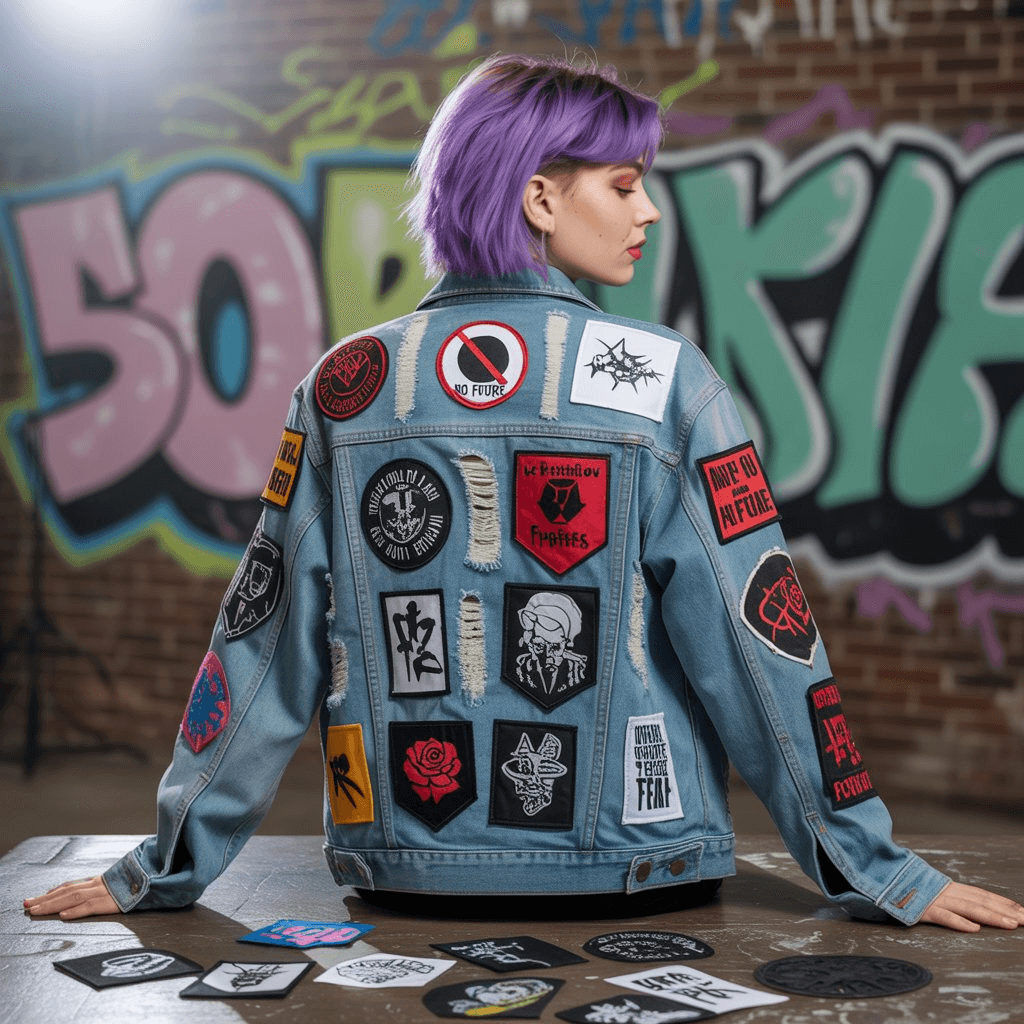
    A distressed denim jacket adorned with custom patches.

    That’s why working with a custom patch maker near me who understands your scene matters. Patch Makers UK, known as one of the best patch makers in the UK can take your wildest ideas and transform them into high quality embroidered patches made in UK with precision. 

    Whether you want custom embroidered patches for hoodies or want to test-drive a rush order custom patches UK service for your next gig or event, we’ve got you covered.

    Need inspiration? Our blog on Custom Patches That Preserve Culture With Bold Modern Style breaks down how these tiny works of art bridge tradition with alternative trends.

    Patch Styles That Resonate

    When crafting patches for alternative subcultures, you’ll want to nail four key elements:

    1. Shape:

    From jagged coffin shapes to classic circles and banners, shapes matter. Punks often prefer raw, rectangular patches that feel unrefined as if they were torn from an old tee while goths lean toward ornate shapes like crescent moons or baroque frames.

    2. Size:

    Bigger is often better. Oversized patches on the back of jackets scream commitment. Smaller patches are perfect for accessorizing hats, cuffs, or pockets without overpowering.

    3. Color:

    Monochrome, deep blacks, reds, purples, and moody hues dominate most alternative subcultures. But pops of white, metallic thread, and eerie green or blue can add intrigue  especially for custom PVC patches or custom sequin patches that catch the light.

    4. Backing:

    Your choice of backing can change the game. From easy personalized iron-on patches that can be quickly applied to heavy-duty sew-on options for leather and denim, selecting the right backing is a must. Check out our dedicated guide on choosing the right backing for your custom patch for pro tips.

    And let’s not forget borders! Whether you want a bold, merrowed edge or a subtle embroidered finish, borders define the character of your patch. 

    Why Patches Will Keep Ruling the Underground (And Beyond)

    There’s a reason patches transcend trends: they mean something. Every alternative subculture punk, goth, metal, grunge has relied on patches to stand up and stand apart. 

    Patches give subcultures their voice without them ever opening their mouth. Even mainstream style brands have tried to jump on the patch wagon. Spoiler alert: authentic subcultures recognize knock-offs when they see them.

    And as subcultures evolve, patches will evolve too, becoming more intricate, more personal, and forever rebellious.

    That’s where Patch Makers UK steps in. We help you craft custom patches no minimum and need bulk patches? No problem. Our team can turn your most daring designs into a stitched reality with our fast, affordable, and cheap custom patches with no minimum.

    All Set to Show Off Your Subculture? Let’s Get Stitching.

    Your patches deserve to reflect you, not some generic mold. Whether you want custom patches for hoodies, one-off designs for your leather jacket, or custom embroidered patches for workwear, Patch Makers UK is your go-to source. Get your hands on patches that scream authenticity and attitude.

    Prepared to take the plunge? Get in touch with us today and contact Patch Makers UK to start your custom patch journey. Let’s make your subculture a cult classic.

  • What Embroidery Patches Coverage to Choose: 50%, 75%, or 100%?

    What Embroidery Patches Coverage to Choose: 50%, 75%, or 100%?

    Ordering custom embroidered patches sounds simple, until you hit the coverage options. Suddenly, you’re faced with numbers: 50%, 75%, 100%. What do they actually mean? And which one makes sense for your patch design?

    Let’s make it easy.

    Whether you’re ordering for a company event, biker crew, or clothing brand, this guide breaks down what embroidery coverage is, how it affects your patch, and when each option makes sense.

    What Does “Embroidery Coverage” Mean?

    Embroidery coverage is how much of your custom embroidered patch’s fabric gets stitched over with thread.

    Think of your patch as a canvas. Coverage is how much of that canvas is “painted” with thread.

    • 50% Coverage: Half of the patch shows stitching; the other half shows base fabric.

    • 75% Coverage: Most of the patch is stitched, but some background still shows.

    • 100% Coverage: Every inch of the patch is thread, no background peeking through.

    The higher the coverage, the more threadwork involved. That affects the look, the texture, and yes, the price.

    Why Coverage Even Matters

    Coverage isn’t just a design detail. It impacts a few things:

    • Visual impact: More thread = richer, fuller look.

    • Durability: More thread can add thickness and strength.

    • Cost: Higher coverage means more thread, more stitching time, and usually, a higher price.

    • Turnaround time: Complex patches take longer to produce.

    Choosing the right coverage can save you money, or make your patch pop. Or both.

    When to Go with 50% Coverage

    Best for: Simple logos, light text, small designs

    Let’s say you’re ordering patches with a short message and maybe a small graphic, like a name tag or basic logo. That’s a good fit for 50%.

    You’ll have the design stitched over the base fabric, which stays visible in the background. It keeps things simple and neat.

    Why it works:

    • Cheaper than full coverage

    • Faster to produce

    • Clean, minimal look

    Watch out if:

    • Your design has lots of color or detail

    • You want a bold, “wow” effect

    This option is all about subtlety and savings. If you’re tight on budget or like minimal design, 50% has your back.

    So, now as you know a bit about patch coverage have a gaze on Top 5 Trending Custom Embroidered Patch Designs You’ll See Everywhere in 2025.

    When 75% Coverage Is the Sweet Spot

    Best for: Detailed logos, medium-size text, colorful elements

    This is the middle ground. You get the texture and punch of embroidery without going all-in.

    You’ll still see bits of the fabric base, but most of the design area will be covered. This balance keeps costs lower while still offering great visuals.

    Why it works:

    • More depth and color

    • Enough stitching to bring your design to life

    • Less cost than full coverage

    Watch out if:

    • You want a patch that feels premium

    • Your design has a complex background or gradient

    75% coverage is great for most business logos, uniforms, or merch. It’s the “just right” of embroidery.

    Three embroidery patches arranged on a clean, white linen surface.


    When 100% Coverage is Worth It

    Best for: High-end branding, bold patches, showpieces

    If you’re going for full effect, eye-popping, high-contrast, professional-looking patches, this is the one.

    With every inch covered in thread, your design stands out. These patches feel thicker and often last longer because they’re reinforced with all that stitching.

    Why it works:

    • Total design control

    • Premium texture and color saturation

    • Looks and feels expensive

    Watch out if:

    • You’re trying to save money

    • Your design is super simple

    100% coverage is ideal for jackets, caps, club gear, or brand merch where visuals really matter.

    How to Choose the Right Base Fabric

    Coverage and fabric work together. If your design uses lower coverage, the base fabric becomes part of the design. So you’ll want one that looks good on its own.

    For 50% or 75%, go with a fabric color that complements your design.

    For 100%, it doesn’t matter much, you won’t see the fabric at all.

    What’s the Price Difference?

    Here’s a rough idea:

    • 50% Coverage: Budget-friendly. Least thread, shortest production time.

    • 75% Coverage: Mid-tier price. More thread, still manageable turnaround.

    • 100% Coverage: Highest price. Max thread, longest production time.

    But it’s not always a huge jump. Especially when ordering in bulk, the per-unit cost difference between 75% and 100% may be smaller than expected.

    Might be interested in knowing Top Embroidered Patches Ideas to Upgrade Any Item.

    Design Examples to Help You Decide

    • 50% Coverage
      Good: Name patches, event tags, simple logos
      Not good: Multicolor artwork or tiny fonts

    • 75% Coverage
      Good: School mascots, brand logos, staff uniforms
      Not good: Hyper-detailed or photo-like designs

    • 100% Coverage
      Good: Statement patches, biker back patches, merch branding
      Not good: Small or budget projects

    What About Patch Size?

    The bigger the patch, the more coverage matters.

    A 3″ circle with 100% coverage? Looks rich.
    A 10″ back patch with 100% coverage? That’s a production beast, and it’ll cost more too.

    Balance size and coverage based on where the patch will be worn and what impression you want it to make.

    Can You Mix Coverage Types in One Order?

    Not exactly.

    Each design needs its own setup. So if you want 100% coverage for a back patch and 50% for a name tag, they’d be treated as separate products.

    But ordering them together can still help with overall pricing and shipping.

    Our Take (And What We Recommend Most)

    At Patch Makers UK, we see 75% coverage hit the sweet spot most often. It gives you enough thread to show off your design without maxing out your budget.

    That said, if you’re going for a standout piece, or branding is key, 100% is absolutely worth it.

    And if it’s a basic tag or simple ID patch? 50% is all you need.

    FAQs

    Q: Will 50% coverage look cheap?

    A: Not at all, if your design fits the format. Simple text or logos look clean and pro with partial stitching.

    Q: Is 100% embroidery harder to sew on?

    A: Not really. It may feel a bit thicker, but it sews just like any other patch.

    Q: Can I get a sample before I commit?

    A: Absolutely. Patch Makers UK offers free mockups and sample options so you can see before you buy.

    Q: Does higher coverage mean it’ll last longer?

    A: Slightly, yes. More stitching means more durability, but all our patches are made to last.

    Match Coverage to the Job

    Choosing the right embroidery coverage isn’t about what’s “best.” It’s about what’s best for your patch.

    Keep it simple for basic jobs. Go bold for premium branding. Or land in the middle with 75% for a strong balance.

    Need help deciding? Our team at Patch Makers UK can guide you, mock up options, and help you get exactly what you want, no guesswork.

    Prepared to create a patch that fits your style and your budget? Start Your Order Now!

  • How to Remove Iron-On Letters Patches: A Step-by-Step Guide

    How to Remove Iron-On Letters Patches: A Step-by-Step Guide

    Iron-on letters patches are a popular way to personalize clothing, bags, hats, and more. Whether it’s for sports teams, brand logos, or a fun personal design, these patches offer a great way to add a unique touch to your items. However, there might come a time when you need to remove them, whether due to a design change, a mistake in placement, or simply because you’re tired of the look.

    Removing iron-on patches doesn’t have to be a hassle, but it does require a little care and the right techniques to avoid damaging your fabric. This guide provides a step-by-step approach to removing iron-on letters and patches from various types of clothing and fabric materials.

    Can Iron-On Patches Be Removed?

    Yes, iron-on patches can absolutely be removed. While these patches bond strongly to fabric using heat and adhesive, they are not permanent, and with the right technique, they can be peeled off successfully. The process might seem tricky at first, but once you understand how heat works to break down the adhesive, it becomes much easier.

    Iron-on letters and patches are designed to be durable, so they won’t come off easily by accident. This means you can safely remove them without worrying about the fabric being ruined, as long as you follow the steps carefully.

    How to Get Ironed-On Letters Off

    Removing ironed-on letters is a relatively simple process when you use the correct method and tools. Here’s a more detailed step-by-step guide to help you safely remove iron-on letters from your clothes.

    Step-by-Step Guide to Removing Iron-On Letters

    1. Gather Your Supplies:


      • Iron (with no steam)
      • Wax Paper or Parchment Paper
      • Tweezers or a flat tool (like a spoon)
      • Fabric-safe adhesive remover (optional)
      • Cloth or towel (to protect the fabric) 
    2. Prepare the Area:


      • Place the garment or fabric on a clean, flat surface, such as an ironing board or table. Lay a towel or cloth beneath the fabric to protect the surface underneath. 
    3. Apply Heat:


      • Set your iron to a low to medium heat setting (do not use steam).
      • Place the iron on top of the iron-on patch for 30-60 seconds. The goal here is to soften the adhesive that holds the patch onto the fabric. Be sure to keep the iron moving gently to avoid scorching the fabric. 
    4. Peel the Patch Off:


      • Once the patch has softened under the heat, use tweezers or a flat object to carefully peel the patch away from the fabric. Gently pull at the edges, and it should come off. Be sure not to pull too hard to avoid damaging the fabric. 
    5. Remove Residual Adhesive:


      • If there’s any adhesive residue left behind, apply a small amount of fabric-safe adhesive remover or rubbing alcohol to a cloth. Dab it onto the residue and wipe away gently. Always test in a small, inconspicuous area first.

    After reading the removal methods, you might be interested in knowing how to iron-patches on clothes and that can be learned with our step by step guide.

    Removing Iron-On Letters from Different Fabrics

    Not all fabrics are the same, and it’s important to adjust your approach based on the material you’re working with. Here are some tips on removing iron-on letters from different fabrics:

    How to Remove Iron-On Letters from a Hoodie

    Hoodies, typically made from cotton or cotton-blend materials, can handle a moderate amount of heat. However, you must be careful not to overheat the fabric. Follow these steps:

    • Apply heat directly to the patch using an iron set to medium heat.
    • Use wax paper or parchment paper between the hoodie and the iron to prevent the fabric from getting scorched.
    • Gently peel the patch off once the adhesive has loosened.

    How to Remove Iron-On Letters from Polyester

    Polyester is a synthetic material and can melt under high heat, so you’ll need to lower the temperature of your iron. Test a small section first, but here’s the basic method:

    • Set the iron to low heat.
    • Place a cloth between the iron and the patch to protect the fabric.
    • Apply heat for about 15-30 seconds, and gently peel off the patch.

    How to Remove Iron-On Letters from a Football Shirt

    Football shirts are often made from polyester or performance fabrics. These fabrics are sensitive to heat, so avoid using too much direct heat.

    • Use a heat press (if available) at a low temperature, or apply a warm iron set on low heat for 15-30 seconds.
    • Peel off the patch gently using tweezers or a flat tool.

    Removal of Iron-On Letters Patches from a dark blue denim.

    Using Heat to Remove Iron-On Letters

    Heat is the most common and effective method for removing iron-on patches. The heat breaks down the adhesive, making it easier to remove the patch. However, too much heat can damage the fabric, so it’s crucial to use a gentle approach. Here’s how to do it properly:

    1. Set Your Iron to Medium Heat:


      • Make sure the iron is on a low or medium heat setting, without steam. Steam can make the patch harder to remove. 
    2. Use a Towel or Cloth Under the Patch:


      • Place a towel underneath the fabric to protect the surface below. This will also help absorb some of the heat and prevent the iron from damaging the fabric. 
    3. Apply Heat Directly to the Patch:


      • Keep the iron on the patch for around 30-60 seconds. Ensure the heat is evenly distributed. 
    4. Peel Off the Patch:


      • Once the patch is warm and the adhesive has softened, gently use tweezers or a flat object to peel the patch off.

    Once you have done ironing-on the patch, you should be curious about the methods to prevent the iron-on patches from falling off, and that is where our guide comes into the play.

    How to Use Wax Paper for Removing Iron-On Letters

    One of the most effective and easy methods for removing iron-on patches is using wax paper. It helps in loosening the adhesive, allowing you to peel off the patch without causing fabric damage.

    1. Place Wax Paper Over the Patch:


      • Cut a piece of wax paper that’s large enough to cover the patch completely. Place it over the patch, making sure it’s smooth. 
    2. Apply Heat:


      • Set your iron to medium heat and press it down over the wax paper for 30 seconds to 1 minute. The heat will transfer through the wax paper, softening the adhesive beneath. 
    3. Peel Off the Patch:


      • After a minute of applying heat, use tweezers or a flat tool to gently peel off the patch. 
    4. Remove Residual Adhesive:


      • If any sticky residue remains, use rubbing alcohol or a fabric-safe adhesive remover to clean the area.

    Dealing with Stubborn Iron-On Patches

    Sometimes, custom patches can be stubborn and difficult to remove. If you find that the patch is still stuck after applying heat, here are a few tricks to try:

    1. Apply More Heat:


      • Try applying more heat using the iron. You can also place a cloth over the patch and try again to avoid direct contact with the iron. 
    2. Use an Adhesive Remover:


      • If heat alone doesn’t work, fabric-safe adhesive removers can help break down the glue without damaging the fabric. 
    3. Try a Steamer:


      • Using a fabric steamer can also help loosen the adhesive. Hold the steamer a few inches away from the patch and allow the steam to soften the adhesive before peeling it off.

    How to Remove Iron-On Mistakes

    If you’ve made a mistake and placed the iron-on patch in the wrong position or accidentally applied it upside down, don’t panic. You can fix it by following these steps:

    1. Apply Heat Again:


      • Heat will soften the patch adhesive again, making it easier to peel off. 
    2. Peel Carefully:


      • Once the patch is warm, gently peel it off using tweezers or a flat tool. 
    3. Clean the Area:


      • If there’s any leftover adhesive, use an adhesive remover or rubbing alcohol to clean the fabric.

    FAQs on Removing Iron-On Letters Patches

    Here are some frequently asked questions about removing iron-on patches:

    Can Iron-On Patches Be Removed?

    Yes, they can. With the right heat and techniques, you can remove iron-on patches without damaging your fabric.

    How Do You Get Ironed-On Letters Off?

    Use heat, either from an iron or a steamer, to loosen the adhesive. Then gently peel off the letters or patches.

    Is There a Way to Remove Iron-On Labels?

    Yes, iron-on labels can be removed using similar methods, such as applying heat and then peeling off the label.

    Can You Remove Iron-On Prints?

    Yes, iron-on prints can be removed using a heat source and, if necessary, fabric-safe adhesive removers.

    Wrapping Up

    Removing iron-on letters and patches doesn’t have to be a daunting task. By following the right steps and using the right tools, you can easily remove iron-on letters from a variety of fabrics without damaging them. Whether you’re dealing with a hoodie, polyester shirt, or a football jersey, these methods will help you restore your items to their original look or prepare them for a new design.

    If you follow the instructions carefully, you’ll find that removing iron-on patches can be a simple and rewarding task. Whether you need to fix a mistake or just want to change up your design, these techniques will make the process easier. For further info, ring us or contact Patch Makers UK team.

  • Can You Use a Steamer for Iron-On Patches? Best Tips & Temps

    Can You Use a Steamer for Iron-On Patches? Best Tips & Temps

    Can a little steam ruin your patch game? Or is it the shortcut pros won’t tell you about? Let’s iron this out. When you’re hyped to rock that fresh iron-on patch, be it for your hoodie, tote, or uniform, the last thing you want is a sloppy melt or half-baked stick. 

    Yet many patch enthusiasts across the UK are skipping one crucial detail: how to apply it properly. One scroll through patch forums and TikTok DIYs, and you’ll find one burning question: Can you use a steamer for iron-on patches?

    Spoiler alert: While steam might sound like a gentle shortcut, the truth is a little stickier. Below, we dig into why iron matters, what temperature is ideal, and when a steamer can actually sabotage your patch.

    But first, why should you even trust your patches to just anyone?

    Why Patch Makers UK Is Leading the Iron-On Patch Revolution

    Before we dive into the do’s and don’ts, let’s take a quick detour across the pond. Patch Makers UK, a giant in the custom patch industry, is setting a gold standard in custom embroidered patches, PVC, and of course, iron-on patches. 

    Their high standards, cutting-edge machinery, and artist-backed designs are redefining patch culture from streetwear to military uniforms.

    The Science Behind Iron-On Patches: No Steam, Just Heat

    Let’s get this straight, steam and adhesives are not best mates. The glue used on the back of iron-on patches is designed to activate with dry heat. Add steam to the equation, and you dilute its effectiveness. Moisture not only weakens the bond but may also wrinkle the patch or fabric.

    So, Can You Use a Steamer for Iron-On Patches?

    In short: No. Steamers are made for delicate fabrics, not adhesives. They lack the direct heat and pressure required to bond your patch to the fabric.

    For optimal results:

    • Use a dry iron (steam function turned OFF)
    • Set temperature between 270°F to 300°F (132°C to 148°C)
    • Press for 15–20 seconds with firm pressure
    • Use a cotton cloth or Teflon sheet to protect both the fabric and patch

    Pro Tips for Getting That Flawless Iron-On Finish

    Here’s what patch pros swear by:

    • Preheat the fabric slightly before placing the patch
    • Use even, firm pressure (avoid rocking or shifting)
    • Let the patch cool completely before moving the garment
    • Avoid washing the fabric for at least 24 hours

    Want your patch to stay on point for years? You’ll want high-quality embroidered patches made in the UK, with durable glue backing that can handle both wear and wash.

    Not All Fabrics Play Nice With Iron-On Backings

    Certain materials like nylon, leather, or stretch fabrics don’t bond well with glue. For these, sewing is the safer bet. That’s where custom patches Velcro or sew-on options step in.

    Looking for quick fixes for problematic fabrics? Explore our guide on Iron-On vs Sew-On Patches.

    The UK’s Most Popular Uses for Iron-On Patches

    From custom biker patches for jackets to personalised iron-on patches for school hoodies and small business branding, iron-ons are a top pick for:

    • Club member insignias
    • Custom logo patches for bags or uniforms
    • Scout groups and school mascots
    • Custom patches for events, marketing campaigns, or brand swag
    • Personal wardrobe upgrades (denim jackets, bomber coats, canvas totes)

    You can even design your own patch and order with our intuitive tool. So whether you’re going bold or minimalist, we make your patch vision reality.

    Usage of steamer for pressing custom patches.

    Common Mistakes That Ruin Iron-On Patches (And How to Avoid Them)

    Applying iron-on patches isn’t rocket science but get it slightly wrong, and you’ll find your patch peeling at the corners or sliding off mid-wash. So what should you not do?

    • Avoid moving the iron too much: This causes uneven adhesion and patch misalignment.
    • Don’t apply on wrinkled or damp fabric: Moisture and folds weaken the glue bond.
    • Never skip the pressure: Simply placing the iron without pressing down firmly will leave the glue half-melted.

    It’s little things like these that lead patch lovers to ask: how do I stop my iron-on patches from falling off? We’ve covered it all in this ultimate fix-it guide. Bookmark it. Your patch game will thank you.

    Why Quality Matters: Not All Iron-On Patches Are Equal

    A patch is only as good as its base material and adhesive. Many cheap online stores sell paper-thin patches with weak glue that starts curling up after a single wash.

    That’s why smart patch buyers in the UK stick to trusted, reliable patchmakers, like us.

    With Patch Makers UK, you get:

    • Custom patches made in the United Kingdom
    • Quality-controlled production with precise embroidery
    • Eco-conscious glue and backing materials
    • Zero compromise on durability or detail

    From custom patches for hoodies to personalized embroidered patches for events or corporate branding, our range covers every vibe, season, and reason.

    Answering What Google Doesn’t

    Can I use a steamer to preheat my garment before applying the patch?

    Still not ideal. Use the same dry iron to briefly preheat the spot, dry, controlled heat is key.

    What fabrics are NOT good for iron-on patches?

    Avoid silk, leather, nylon, and anything super stretchy. Go with sew-on or Velcro for those.

    How long will an iron-on patch stay?

    If applied correctly and cared for, it can last through 30+ washes.

    Can I iron it again if the corners start lifting?

    Yes, but only after ensuring the area is clean and dry. Use firm pressure with a protective cloth and re-seal for 15–20 seconds.

    Iron or Sew? Which is Better?

    If you’re dealing with durable garments like denim jackets or bags, iron-on patches are fast, clean, and long-lasting, perfect for quick application. But for high-friction spots (like elbows or knees), or tricky fabrics (like fleece or nylon), sewing adds extra security.

    Ending Verdict, Can You Use A Steamer For Iron-On Patches?

    Nope. A steamer might ease your wrinkles but it’ll ruin your patch dreams. Stick with dry heat, solid pressure, and the right patch source. Choose quality over shortcuts and your iron-on patch will hold strong, wash after wash.

    If you need personalized iron-on patches with quick shipping, rich embroidery, and guidance every step of the way, we’re just one click away. All set to level up your patch regime? Contact Patch Makers UK to get started today.